RESEARCH FOCUS
Summary
My research is centered on the exploration of theoretical astrophysics, with a particular emphasis on structure formation and modeling the physical properties of our cosmos. I am actively involved in the Structure Formation Research Group at the University of Chicago and the Multiphase Gas Group at the Max Planck Institute for Astrophysics.
I am also interested in using astrophysical phenomenons to probe the most fundamental questions in cosmology, such as the nature of dark matter and dark energy. As such, I am a member of the COOL-LAMPS collaboration for its work on strong lensing, as well as of the LSST science collaboration, where I use stellar streams to uncover signs of dark matter halos.
Recently, my interest has been piqued by theoretical & experimental particle physics, and its intersection with cosmology. I am fascinated by the potential insights these fields can provide into the mysteries of our universe. My ultimate goal is to unravel the intricate tapestry of our cosmos, one galaxy at a time.
Areas of Interest
Computational Astrophysics
- Semi-Analytical model
- Magneto-Hydrodynamical Simulations
- Structure Formation
Cosmology
- Reionization
- High Redshift Dwarf Galaxies
- Dark Matter & Dark Energy
- CMB
Topical Interests
- Strong Lensing
- Dwarf Galaxies
- Stellar Streams
- CGM and Feedback
CURRENT RESEARCH
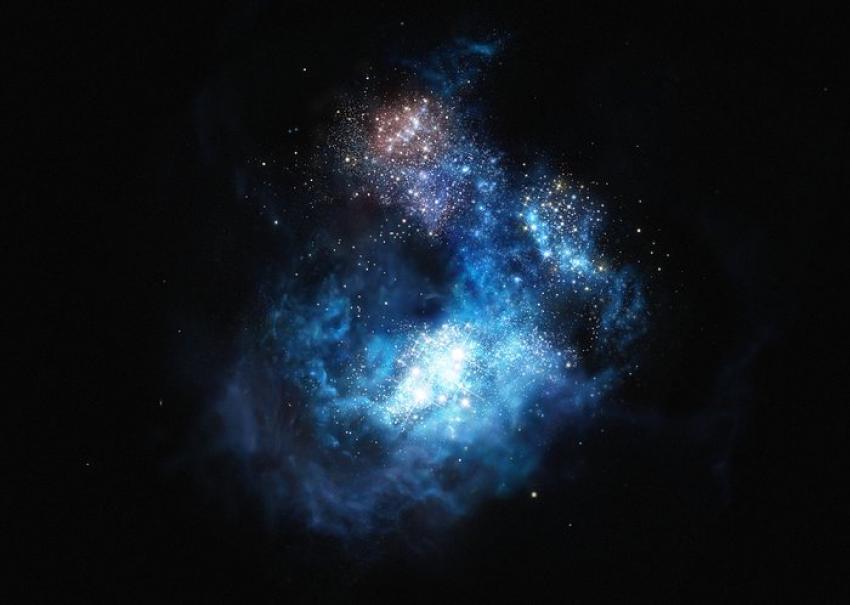
Semi-Analytical Models (SAM) of the Lyman Continuum (LyC) Escape Fraction
Mentor: Andrey Kravtsov | Structure Formation Group | UChicago
- › Using the previously developed semi-analytical model GRUMPY ↗ to simulate UV luminosity functions and ionizing flux for high-redshift dwarf galaxies in the Epoch of Reionization (EOR), at the James Webb (JWST) observational limits.
- › Run statistical methods on halo sampling and star formation stochasticity to test the evolution of Lyman continuum escape fraction on redshift and galaxy properties, such as luminosity, mass, metallicity, etc.
Hydrodynamical Models of Turbulent Three-Phase Gas in the CGM
Mentor: Hitesh Kishore Das & Max Grönke | Multiphase Gas Group | Max Planck Institute for Astrophysics
- › Develop three-phase astrophysical plasma ↗ simulation code↗ with temperature spanning 5 orders of magnitude. Running three-phase gas simulations with turbulence driving is an underexplored area in literature, and it is vital to a more realistic understanding of the circumgalactic medium (CGM).
- › Conduct high-performance computing with ATHENA++↗ using the “Freya” supercomputer at MPA.
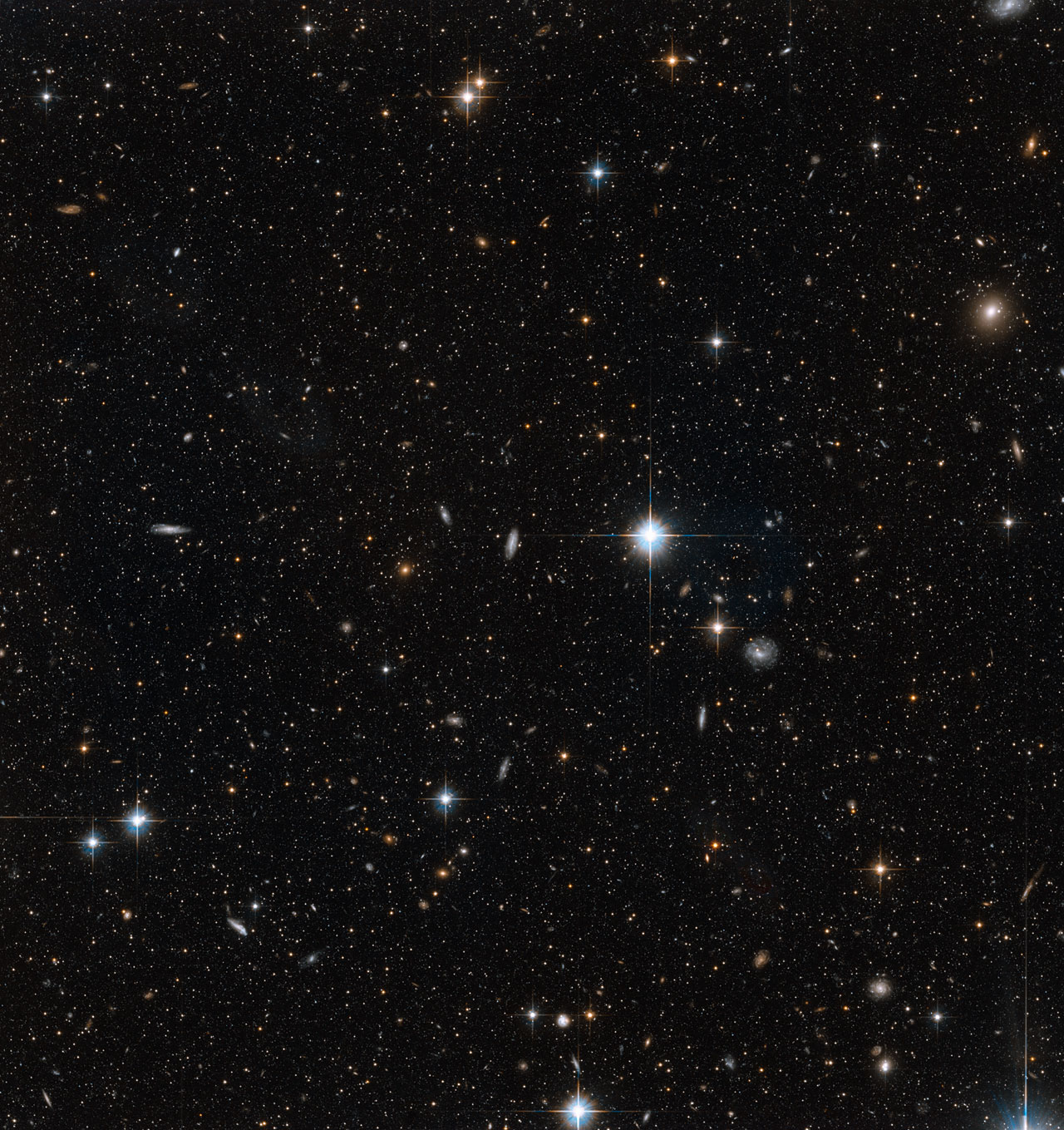
Statistical Modeling of Stellar Streams with LSST
Mentor: Alex Drlica-Wagner | Dark Matter Working Group | DESC (LSST)
- › Develop the stream_sim↗ package to characterize effects of baryon and dark matter halo interactions on stellar streams.
- › Applied statistical toolkit such as 1D power spectrum to LSST data products. This is an ongoing effort to use LSST's world-class capability to contribute to DESC↗’s focus on dark matter.

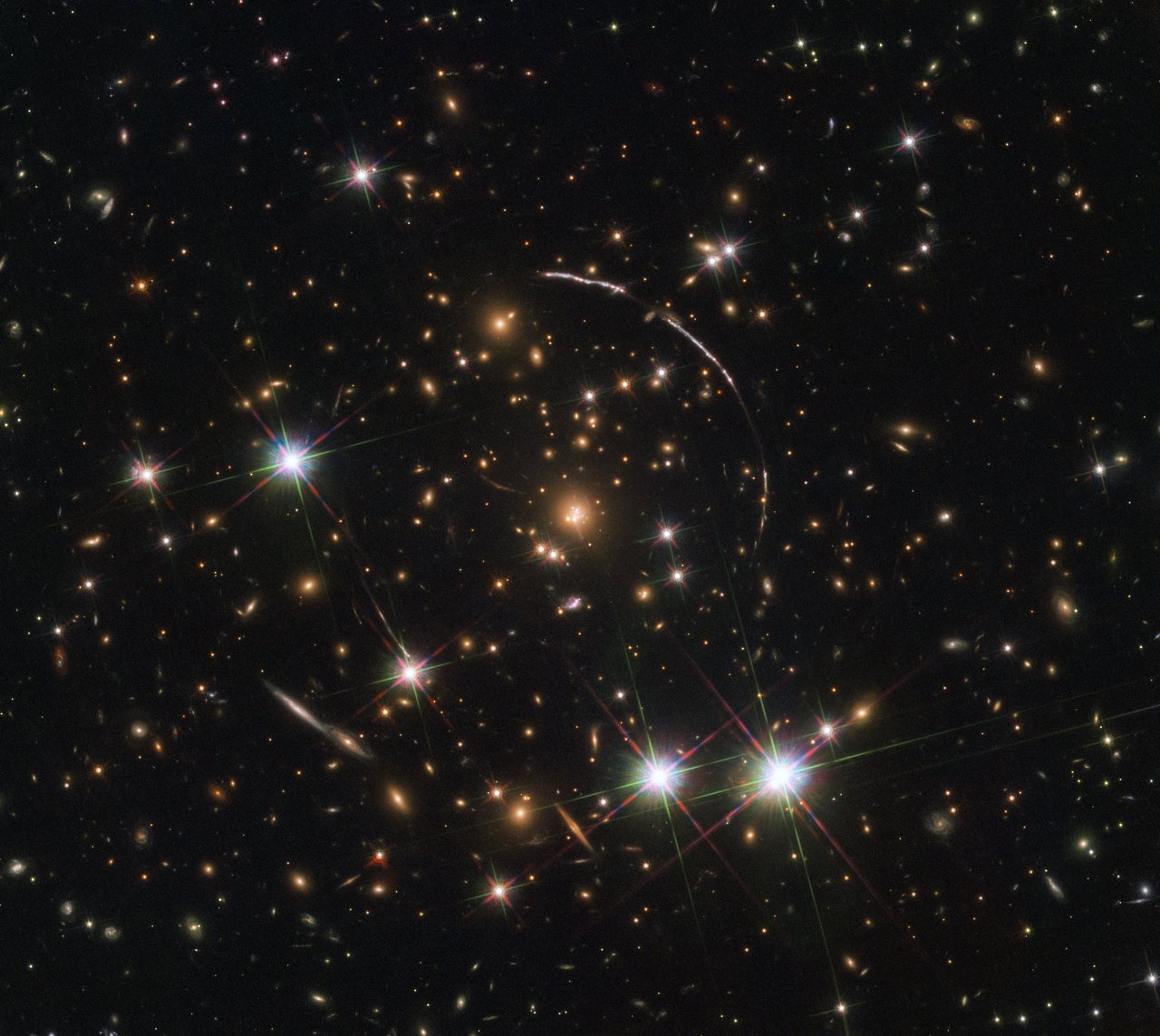
Strong Lens Modeling of Extreme Objects at the Cosmic Noon
Mentor: Michael Gladders | COOL-LAMPS Group | UChicago
- › Simulate strongly lensed LyC-leaking systems at redshift z=2 to 3 with code such as Lenstool, Gigalens, and FSPS to develop lens and SED models, uncovering physical properties. These systems are of particular important due to their lookback time at the cosmic noon, where star formation activity is most prominent. Lensing is also key here as the magnification makes individual systems observable.
- › Run on-site observation with the Magellan 6.5m Telescopes↗ in Chile; Design and lead dithering spectroscopy and imaging.
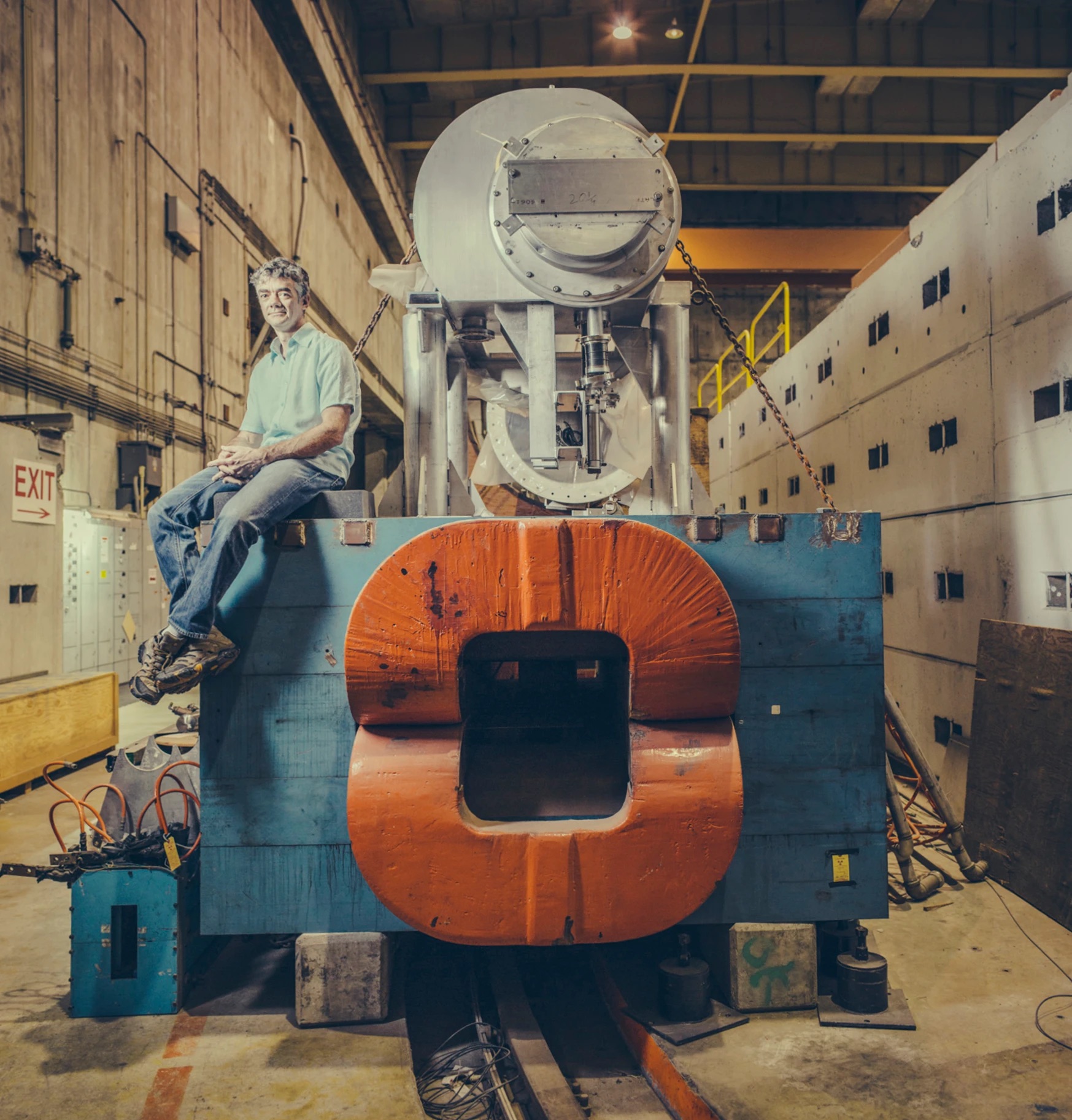
Particle Flow Reconstruction with the LDMX Detector
Mentor: Christian Herwig & Nhan Tran | LDMX group, CMS | Fermilab
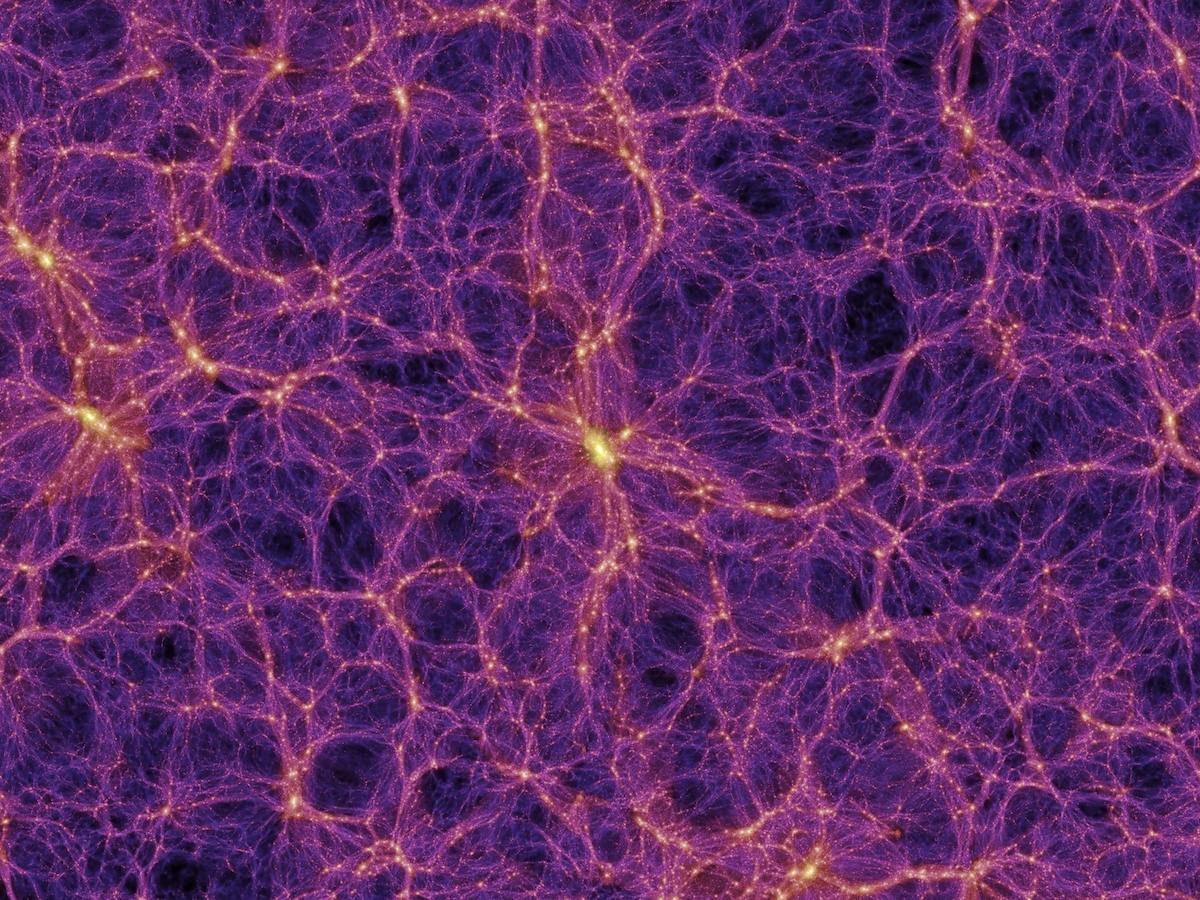
Degeneracy Breaking in Light Shining Through Wall (LSW) Experiments
Mentor: Ryan Janish | SQMS | Fermilab
- › Run theoretical calculations that enable mass-coupling strength degeneracy breaking in the Dark SRF↗ experiment.
- › Report predictions of hiddene photon properties in th case of a detection.
PREVIOUS RESEARCH
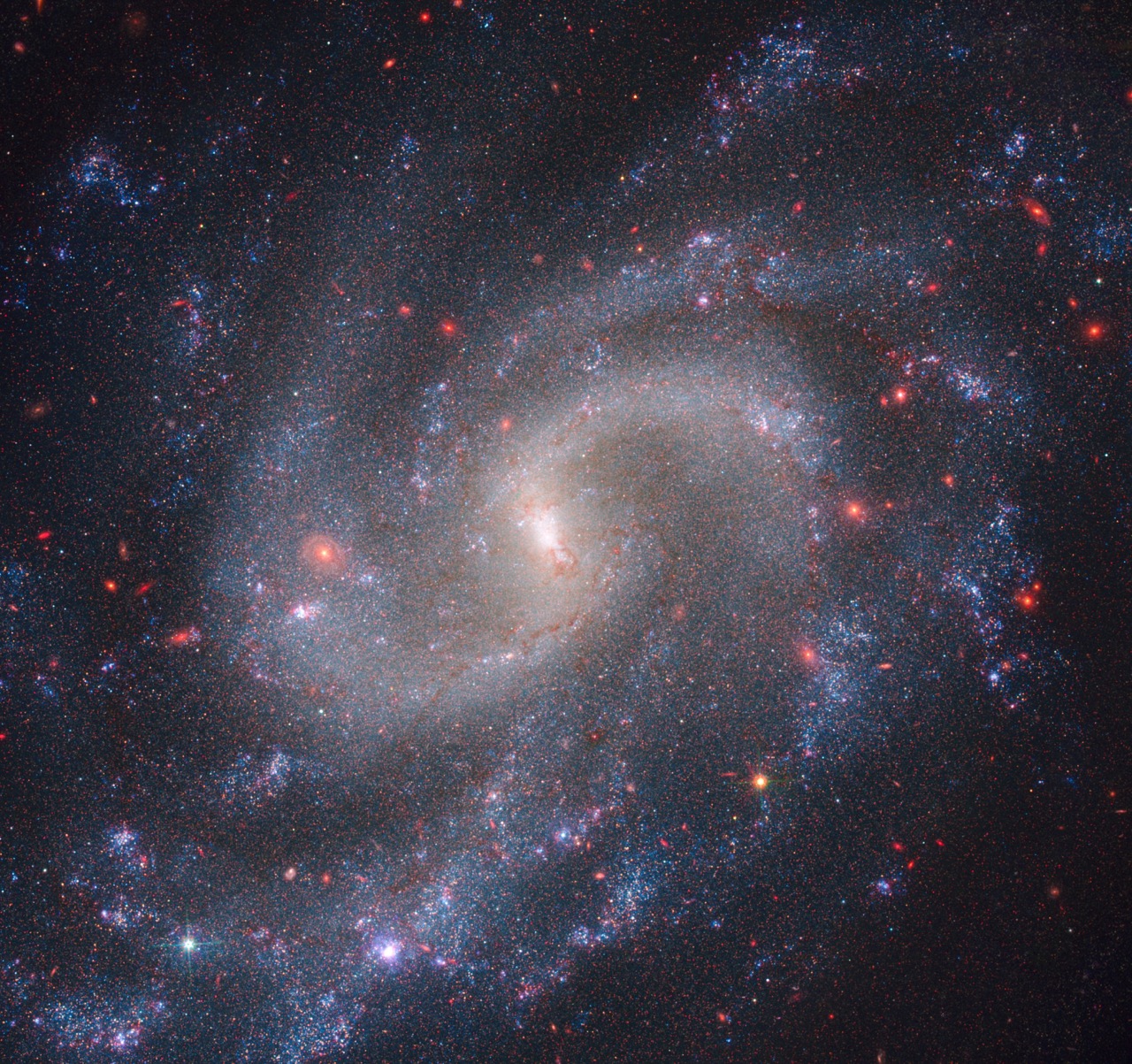
Forward Modeling UV Luminosity Functions for Dwarf Galaxies in the JWST Era
Mentor: Andrey Kravtsov | Structure Formation Group | UChicago
- › Test semi-analytical models on existing ultraviolet luminosity function (UV LF) measurements.
- › Make and refine predictions about the UV LF of high-blueshift dwarf galaxies and their contribution to the universe’s ionizing photon budget.
- › Compute the contribution of galaxies of different luminosities to the ionizing photon budget of the universe using the model UV LF.
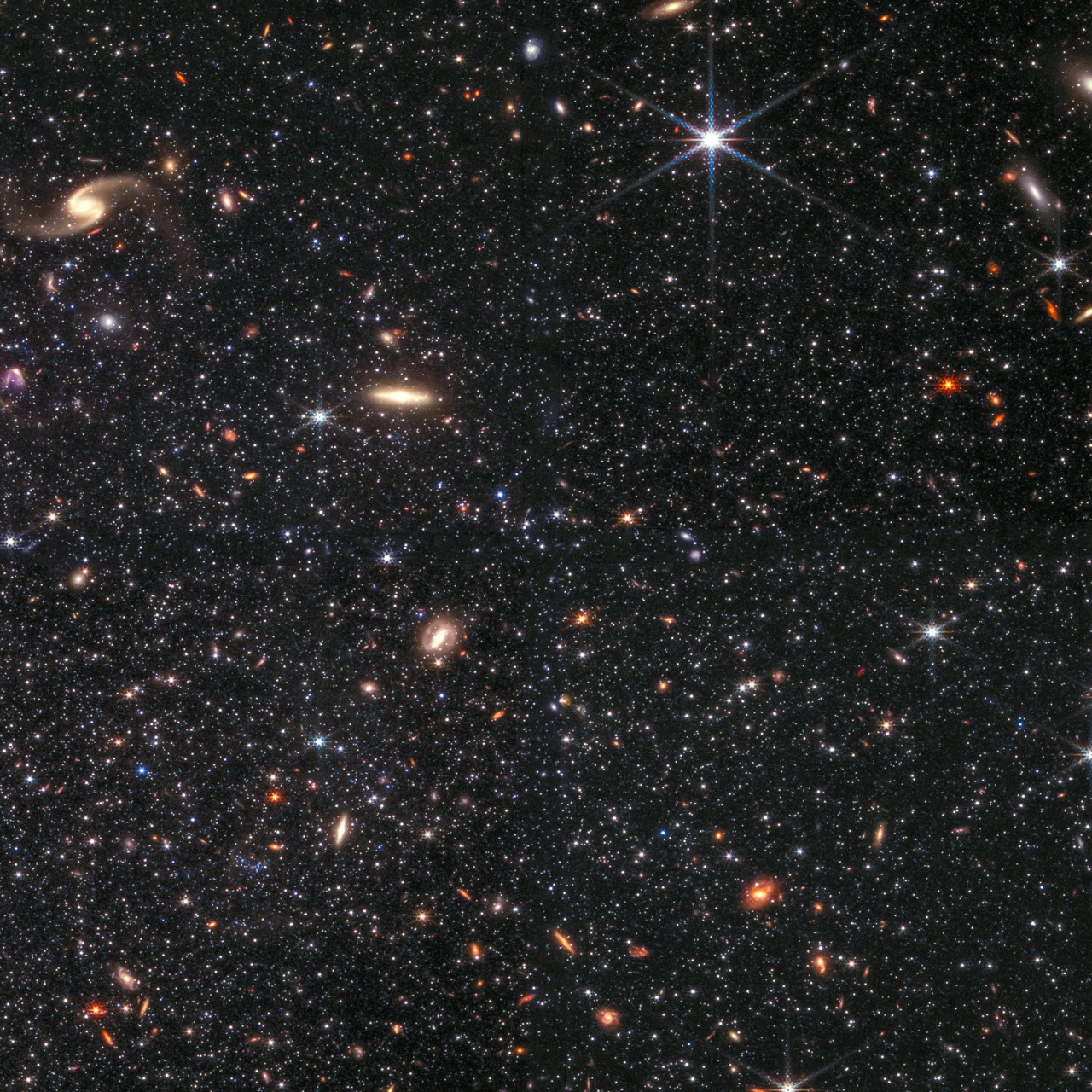
Densities and MAHs of the MW Satellites Are Not a Challenge to ΛCDM
Mentor: Andrey Kravtsov | Galactic Astrophysics Group | UChicago
- › Extracted galactic data to simulate NFW profiles and evolutions.
- › Proved the proposed challenge to ΛCDM paradigm↗ by milky way dwarf galaxies is not a discrepancy.
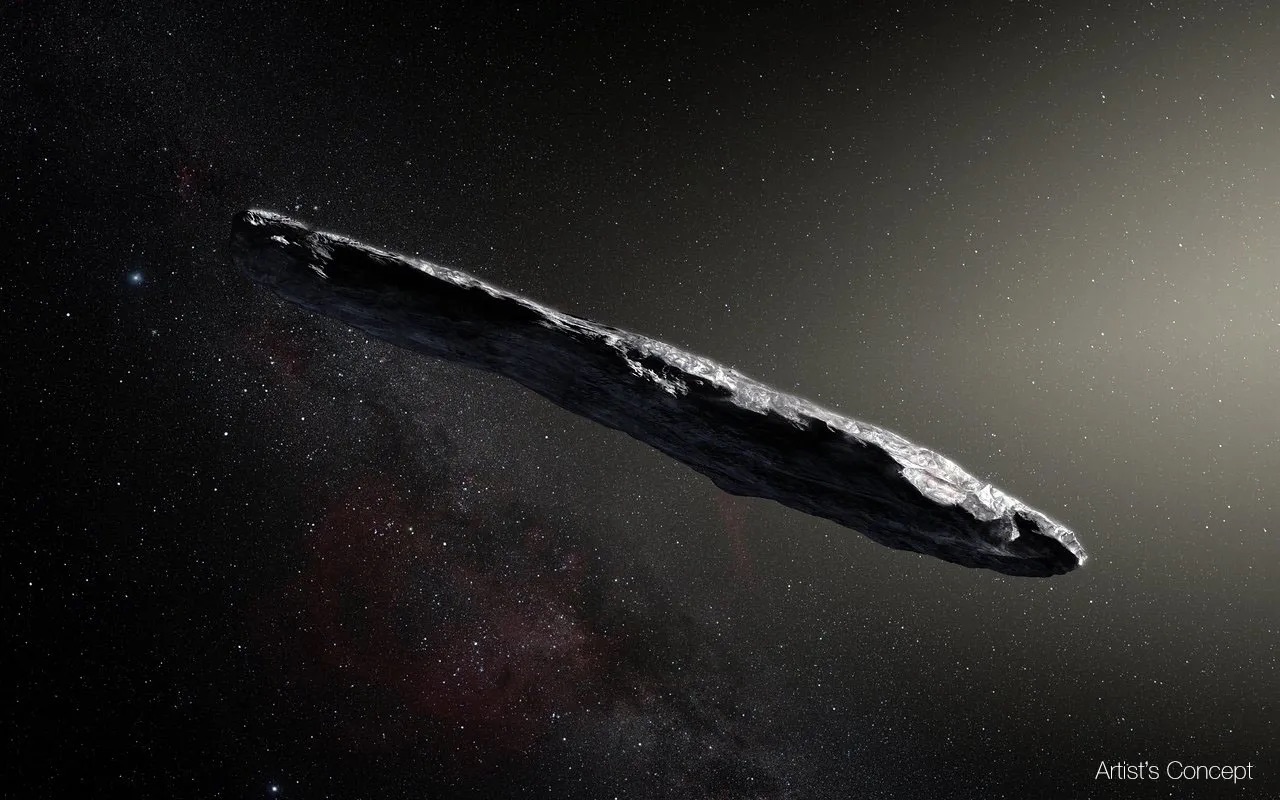
Deducing Origins of Oumuamua 17’ Through Mean Motion Resonances
Mentor: Darryl Seligman | Exoplanet Group
- › Incorporated mathematical models and large-scale simulations to theorize the optimal conditions for interstellar ejections by mean motion resonances.
- › Analyzed exo-solar systems to deduce potential origins of Oumuamua 17’.
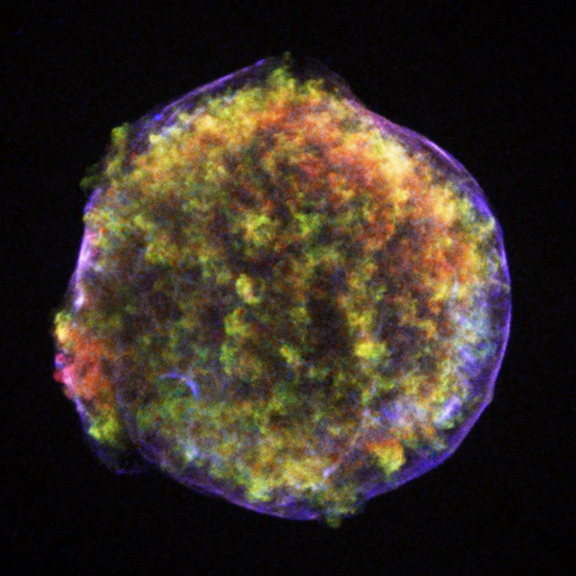
Photometric analysis and light curve modeling of apparent transient 2020pni
Mentor: Michael Faison | Department of Astronomy | Yale University
- › Conducted a four-week photometric analysis on supernova 2020pni using the Leitner Observatory, observing changes in the light intensity of the event.
- › Contributed to transient databseses such as the Transient Name Server (TNS)↗ , reporting on physical insights such as distance, stellar composition, and luminosity.
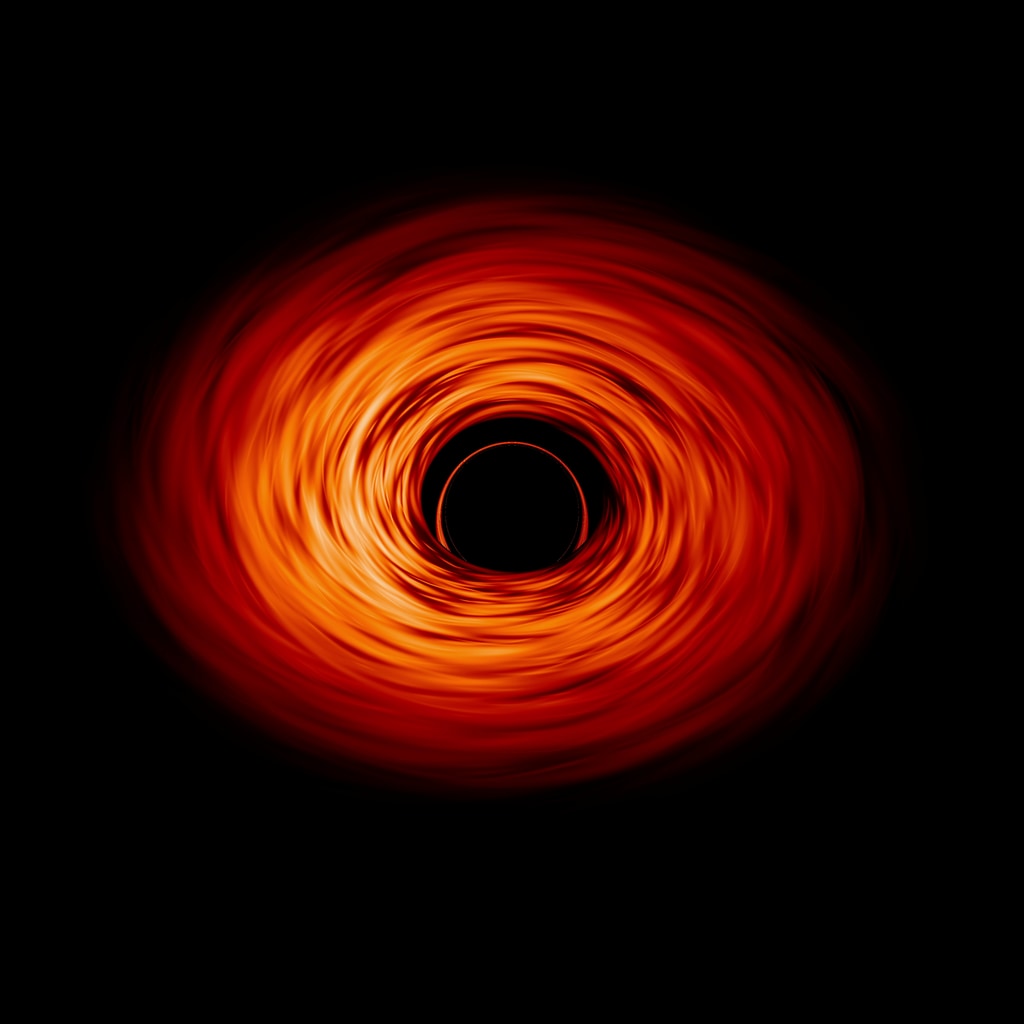
The Iron Line Profile in Black Hole Accretion Disks
Mentor: Lin | High Energy Astrophysics Group | National Astronomical Observatories, the Chinese Academy of Science
- › Studied and assisted with efforts to characterize the iron line in black hole accretion disks.
- › Analyzed high-energy and black hole astrophysics scientific papers.

Natural Characteristics That Lead to Superhydrophobicity
Mentor: Devon Renock | Department of Earth Sciences | Dartmouth
- › Examined hydrophobic properties of plant surfaces; chemically engineeblue oleophilic sponges for oil spill–cleanups.
- › Presented and wrote in peer-reviewed journals. Presented in conferences such as Intel’s International Science and Engineering Fair ( ISEF↗ ).
Disclaimer: information on this page is not regularly maintained and may be outdated!